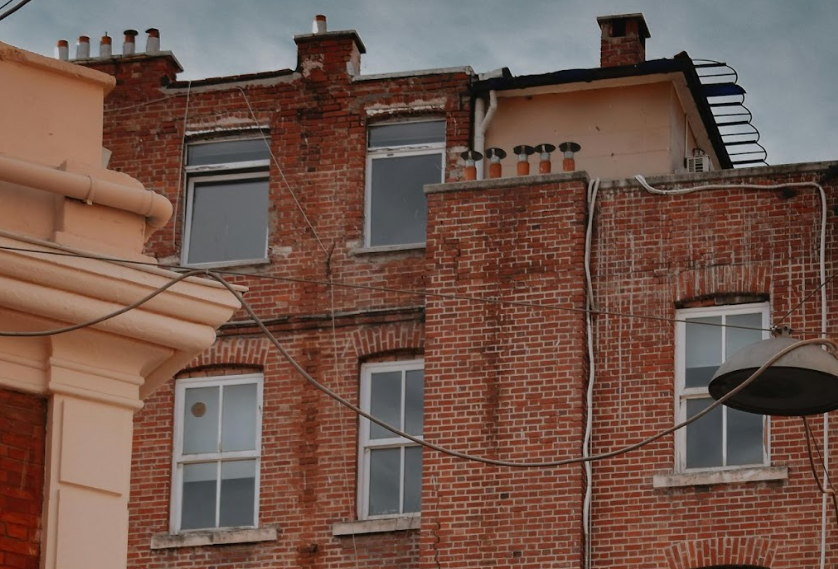
Record-Breaking Rainfall Across England
January 2026 has ranked among the wettest on record, with parts of southern England experiencing significantly above-average rainfall compared with long-term norms.
In some areas rain has fallen daily for more than 30 consecutive days - an extraordinary pattern not seen for over a century. Several regions have even endured more than 40 consecutive days of rainfall, contributing to widespread flooding and thousands of affected properties.
This prolonged wet spell has been driven by persistent Atlantic weather systems and a slow-moving jet stream, creating repeated bands of heavy rain across the country.
Climate scientists suggest that these types of sustained, high-intensity rainfall events may become more frequent, increasing the long-term risk exposure for property owners and landlords.
Why Wet Weather Matters for Landlords
Landlords have both a duty of care and a compliance obligation to ensure homes remain safe and free from hazards, particularly under the current consumer standards regime and evolving guidance around damp, mould and property quality.
Heavy and prolonged rainfall can:
-
Expose weaknesses in roofing, flashing and seals
-
Cause water ingress through wall cavities and joints
-
Overwhelm gutters, downpipes and drainage infrastructure
-
Increase condensation, damp and mould in internal spaces
-
Lead to long-term structural deterioration if not addressed promptly
-
Cause issues with wooden doors and window frames expanding
Left unmanaged, these risks can escalate quickly turning minor defects into significant repair liabilities.
Practical Steps to Protect Properties in Ongoing Wet Weather
Given the sustained rainfall, now is the time for landlords to move from reactive response to preventative action. Proactive inspection, early intervention and clear resident communication can significantly reduce both risk exposure and long-term repair costs.
Here are key areas of focus for landlords:
1. Inspect Roofs, Gutters and External Drainage
-
Clear gutters and downpipes of debris so water flows freely and does not fall on the property itself
-
Check for cracked tiles, loose flashings or degrading seals
-
Confirm drains and soakaways are functioning, especially in flood-prone zones
-
Ensure wooden door and window frames can open and close properly
Blocked or damaged drainage is one of the most common causes of internal water ingress during heavy rain.

2. Monitor Signs of Water Penetration
Inside properties, be alert for:
-
Water stains on ceilings and walls
-
Musty odours or visible damp patches
-
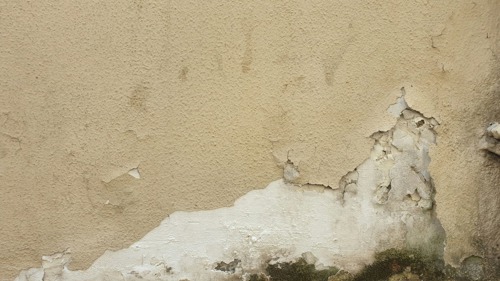
Increased condensation or peeling plaster
These are typical early indicators that rainwater is breaching building fabric and requires immediate attention.
3. Tackle Damp, Condensation and Mould Proactively
Persistent rain increases internal moisture levels, significantly raising the risk of damp and mould which is a serious health.
In addition, a lack of proactive action in addressing damp and mould presents both a reputational risk and a compliance concern.
Landlords should:
-
Ensure adequate ventilation in kitchens, bathrooms and living spaces
-
Check extractor fans and airflow systems are functioning effectively
-
Educate residents on condensation prevention (e.g. appropriate heating and ventilation practices)
-
Act promptly on reports of mould, diagnosing and resolving root causes rather than masking symptoms
Under the strengthened consumer standards and the introduction of Awaab’s Law, landlords are now subject to strict expectations and timeframes for investigating and remedying health hazards linked to damp and mould.
Addressing these issues is no longer a reactive maintenance task, it is a legal and regulatory imperative.
4. Communicate Clearly With Residents
Periods of sustained heavy rainfall often lead to an increase in repair requests, particularly relating to leaks, damp and condensation. Clear, proactive communication with residents can significantly reduce confusion, prevent minor issues from escalating and ensure potential hazards are identified early.
In wet weather:
-
Advise tenants on how to report leaks and damp issues quickly
-
Provide guidance on ventilation and moisture control
-
Set expectations for response times and safety precautions
Strong communication not only improves resident confidence but also helps landlords identify patterns and systemic issues before they develop into larger, more costly problems.
Long-Term Preparedness: Building Resilience in a Wetter Climate
While immediate repairs are essential during a downpour, social landlords should also embed seasonal resilience planning:
-
Conduct quarterly external property audits ahead of storm-prone seasons
-
Prioritise planned maintenance budgets for roof, drainage and damp-proofing works
-
Invest in digital tools to monitor complaints, recurring repairs and drainage performance
-
Review stock-condition data to identify systemic vulnerabilities
These measures help reduce reactive costs and protect properties against ongoing extreme weather events.
Act Now to Avoid Long-Term Damage
England’s unusually wet weather is more than a headline, it represents a material risk to the fabric and condition of social housing stock.
By combining proactive inspections, moisture management, tenant engagement and planned resilience investment, landlords can protect assets, ensure compliance and safeguard resident wellbeing.
Want to strengthen your wet-weather maintenance strategy? EVO’s digital repairs and compliance platform gives landlords real-time visibility of risk, streamlines responses to weather-related issues and supports confident investment planning. Through the integration of IoT devices that monitor humidity, temperature and damp and mould risk, landlords can identify issues earlier and verify that remedial works have been effective.
Contact us to learn more.
PHOTO BY EVO