Why Reactive Repairs Continue to Dominate
Reactive repairs remain a core part of managing housing stock. Unexpected issues such as plumbing failures, electrical faults or roof leaks must be addressed quickly to ensure homes remain safe and habitable.
However, in many organisations reactive work has gradually become the default maintenance model rather than the exception.
Several factors contribute to this:
🏚️ Ageing housing stock
Many housing associations manage homes built several decades ago. As building components reach the end of their lifecycle, failures become more frequent and reactive call-outs increase.
💻 Limited visibility of asset condition
Without reliable data on component age, past repairs or recurring issues, it becomes difficult to anticipate where failures may occur.
🔨 Fragmented repairs reporting
When repairs data is captured inconsistently across different systems or contractors, identifying trends and repeat faults becomes challenging.
👷 Operational pressures
Maintenance teams are often focused on resolving immediate issues, leaving limited time to analyse longer-term repair patterns.
How Much Do Reactive Repairs Cost Social Landlords?
Repairs and maintenance represent one of the largest operational costs for housing providers. Across the UK, billions are spent each year maintaining social housing stock.
A significant proportion of this expenditure is reactive.
Reactive maintenance often carries hidden costs, including:
-
emergency contractor call-out fee
-
multiple visits to resolve the same issue
-
temporary fixes that lead to repeat repairs, creating failure demand - where additional work is generated by issues not being properly resolved first time.
-
administrative costs associated with urgent works
When multiplied across thousands of properties, these costs can place considerable pressure on housing provider budgets.
Reactive vs Planned Repairs: Key Differences
Understanding the distinction between reactive and planned maintenance is essential when reviewing repairs strategy.
|
Reactive Repairs |
Planned Repairs |
|
Respond to faults after they occur |
Address issues before failure |
|
Often involve emergency call-outs |
Scheduled maintenance activity |
|
Higher risk of repeat repairs |
Reduces recurring faults |
|
Less predictable budgets |
More predictable maintenance costs |
|
Reactive response to resident reports |
Preventative asset management approach |
While both approaches are necessary, organisations that invest more heavily in planned maintenance often experience fewer emergency call-outs and more predictable maintenance costs. Resident satisfaction is also higher where maintenance is planned as it is less disruptive.
What Planned Maintenance Looks Like in Practice
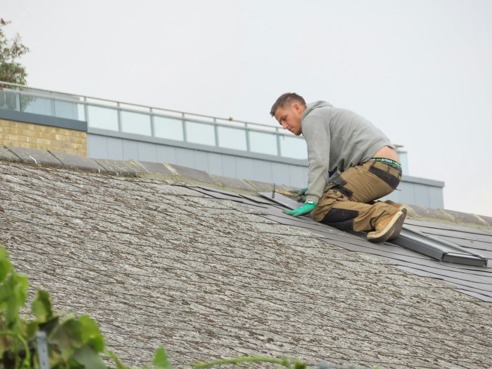
Planned maintenance focuses on addressing known issues before they escalate into emergency repairs. Rather than waiting for failures to occur, landlords schedule maintenance based on asset condition, lifecycle expectations and historical repair trends.
Examples include:
-
scheduled roof inspections and preventative repairs
-
routine boiler servicing and lifecycle replacements
-
drainage inspections and preventative cleaning
-
gutter maintenance before winter periods
-
external building inspections to identify early defects
By identifying and resolving minor issues early, planned maintenance can significantly reduce the volume of emergency repairs required later.
Why Housing Providers Are Moving Towards Planned Maintenance
Several trends across the social housing sector are encouraging a more proactive approach to maintenance.
📈 Rising repairs costs
Maintenance expenditure has increased significantly in recent years due to inflation, labour shortages and supply chain pressures. Reducing reactive maintenance helps landlords gain greater control over these costs.
⚖️ Regulatory expectations
Increased scrutiny around issues such as damp and mould is encouraging landlords to identify property defects earlier.
🧍 Resident expectations
Residents expect quicker repairs and lasting solutions, not repeated temporary fixes.
🤖 AI-driven insights
AI is increasingly being used to analyse large volumes of repairs and asset data. This allows landlords to spot patterns, predict failures and make more informed maintenance decisions.
As a result, more housing providers are exploring how improved asset data and repairs visibility can support preventative maintenance strategies.
How Can Housing Associations Reduce Reactive Repairs?

Reducing reactive repairs does not mean eliminating them entirely. Instead, landlords should aim to reduce avoidable failures by identifying problems earlier and addressing recurring issues.
Practical steps include:
-
Improving asset data visibility
Good asset data helps landlords understand what’s in each property, how it’s been maintained and when it’s likely to fail, including details like make, model, installation date and warranty. -
Identifying repeat repairs
Properties generating multiple reactive repairs for the same issue often indicate underlying defects requiring more permanent solutions. -
Analysing repairs trends
Patterns within repairs data can reveal emerging issues across housing portfolios. Add in Having more time to analyse trends to analyse symptoms -
Strengthening inspection programmes
Routine inspections help identify early signs of deterioration before they lead to resident reports. -
Improving repairs reporting
Clear reporting processes help ensure the correct trade attends the first time, reducing repeat visits.
The Role of Digital Repairs Management

Technology is increasingly helping landlords move from reactive maintenance towards a more proactive approach.
Digital repairs management platforms give housing providers access to structured, reliable data, allowing them to identify trends, reduce repeat issues and make more informed long-term decisions.
Modern systems can help landlords:
-
track repairs in real time
-
identify recurring faults across properties
-
monitor contractor performance
-
maintain complete audit trails of completed works
-
analyse repair trends across housing stock
-
capture enriched property and repairs data to support long-term decision-making
When repairs data is captured consistently and analysed over time, landlords gain valuable insight into housing stock condition and where preventative maintenance may be required.
Finding the Right Balance Between Reactive and Planned Repairs
Reactive repairs will always remain part of housing management, as unexpected issues inevitably arise and residents must be able to report problems quickly.
However, by improving asset data, analysing repair patterns and strengthening planned maintenance programmes, social landlords can reduce avoidable reactive spend while improving the quality of homes for residents.
Over time, this shift allows maintenance teams to move from simply responding to problems to anticipating and preventing them.
For housing providers looking to reduce reactive maintenance and improve operational efficiency, better data and repairs visibility are becoming increasingly important.
EVO’s digital repairs and compliance platform helps social landlords track repairs activity, identify repeat faults and gain greater visibility across their housing portfolios.
Contact us to learn more.