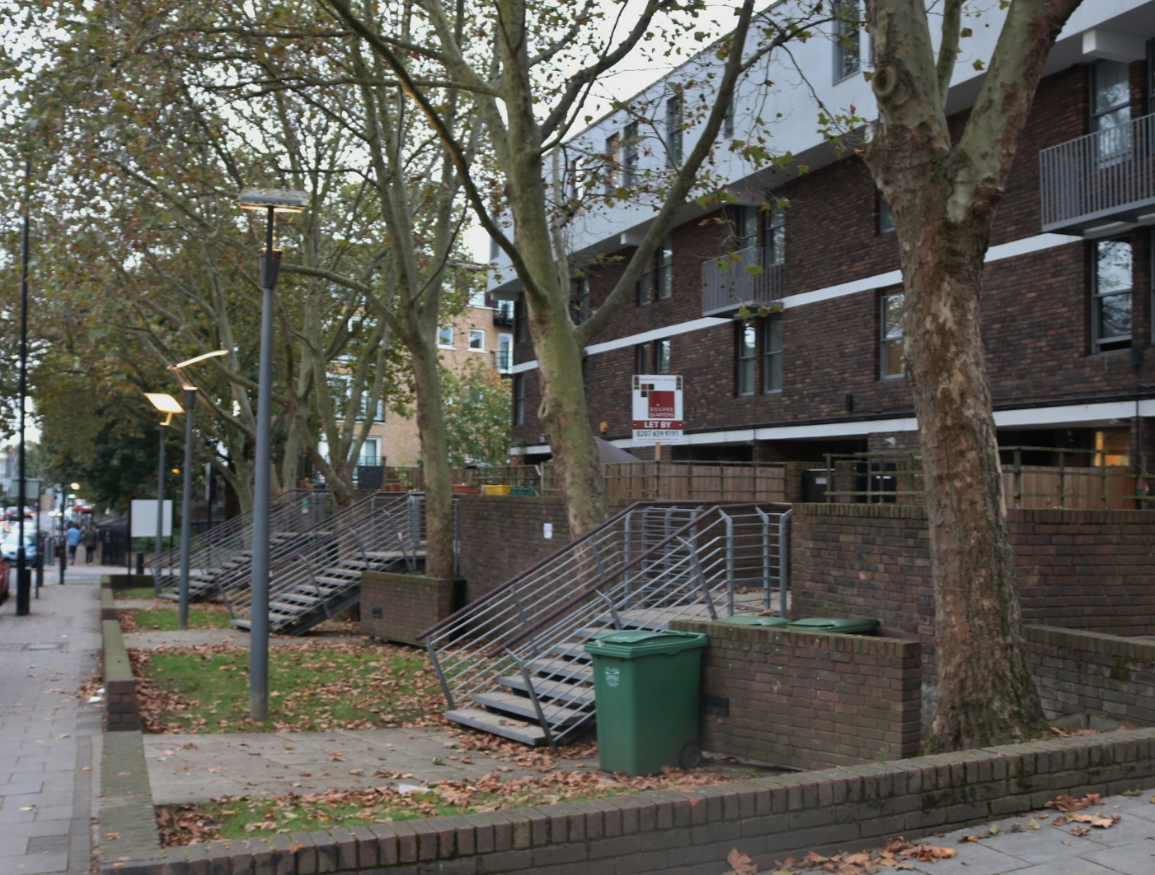
Artificial intelligence is beginning to influence how some social housing providers approach repairs, maintenance and resident services. While adoption across the sector remains relatively early, there is growing interest in how AI can help housing organisations improve efficiency, support staff and enhance the resident experience.
Housing providers face growing pressure to improve repairs, maintain compliance and deliver better resident outcomes. At the same time, they must manage rising costs and limited resources. As a result, many organisations are exploring where AI could add value alongside existing systems and processes.
The scale of the challenge is significant. UK social housing providers now spend around £9 billion each year on repairs and maintenance, with expenditure rising substantially since 2020 and forecast to continue increasing in the coming years.
Where AI Could Deliver Value
While the sector is still developing its approach, AI has the potential to improve several aspects of repairs and maintenance management.
Potential applications include:
-
Supporting resident self-service by asking follow-up questions that help gather more accurate repair information and reduce misdiagnosis.
-
Assisting housing teams by surfacing relevant property history, previous repairs and suggested actions during live interactions.
-
Identifying patterns within repairs data that may help organisations proactively address recurring issues.
-
Reducing administrative workloads, allowing teams to focus more time on residents and complex cases.
Moving Beyond Basic Automation
There is an important distinction between automation and artificial intelligence.
Many housing organisations have already adopted automation to streamline routine tasks and workflows. These solutions can deliver meaningful efficiencies, but they generally follow predefined rules and processes.
The longer-term opportunity lies in AI that can learn from structured housing data, identify trends, support decision-making and continuously improve over time. However, the effectiveness of any AI solution depends on the quality of the data underpinning it.
For most housing providers, the journey is not about replacing people with technology. It is about using technology to support better decisions, improve service delivery and ultimately create more time for meaningful resident engagement.
Practical examples include:
-
Automating SOR (Schedule of Rates) construction to reduce administrative workload.
-
Using intelligent triage to gather more accurate repair information from residents at first contact.
-
Identifying repeat issues across properties, components or asset types.
-
Analysing repairs history to help predict recurring faults and support preventative maintenance.
-
Enriching property and repairs data to improve planning, budgeting and decision-making.
-
Assisting housing teams by surfacing relevant property history and recommended actions during resident interactions.
-
Analysing resident feedback to identify emerging service issues and opportunities for improvement.
More advanced applications are also emerging. AI can directly interface with IoT data - such as damp and mould sensors, water usage and occupancy indicators - to detect issues earlier and prevent escalation.
Performance, Compliance and Consistency
Performance across the sector remains uneven.
Tenant Satisfaction Measures show that top-performing landlords complete around 89% of non-emergency repairs on time, compared to less than 75% for others.
Improvement depends not just on speed, but on consistency and accountability. AI can support this by strengthening audit trails, improving data capture and making performance easier to evidence - all of which are critical for compliance.
Adoption in Social Housing: Progress and Challenges
Despite the potential, AI adoption in social housing is still a challenge.
There is often an assumption that AI is quick to implement. In reality, it depends on:
-
Reliable, structured data
-
Integration into existing workflows
-
Clear governance and data protection
Many organisations are still in early stages, with AI not fully embedded into day-to-day operations. However, adoption is accelerating, and the focus is shifting towards practical implementation rather than experimentation.
AI with Empathy

Social housing is a people-focused service.
Repairs are not just operational tasks; they often affect residents' comfort, wellbeing and day-to-day lives. In these situations, empathy is essential.
AI can improve speed and accuracy, but it cannot replace human understanding. Some residents will always prefer to speak to a person, and certain issues require judgement and reassurance.
This is why delivering AI with empathy is critical - using technology to improve service while ensuring human support remains accessible when it matters.
A More Effective Operating Model
The most effective approach is to use AI to support housing teams, not replace them.
In practice, this means:
-
Handling high-volume, routine interactions through AI
-
Identifying more complex or sensitive cases early
-
Routing residents to the right people at the right time
-
Providing better information to support decisions
This also allows teams to focus on higher-value work rather than repetitive administrative tasks.
A Practical Approach for Housing Providers
For social housing providers, the priority is clear: apply AI in a way that delivers measurable improvements.
-
Improving accuracy at first contact
-
Reducing friction across the repairs journey
-
Using data to identify trends and recurring issues
-
Equipping housing staff with better information to support resident and contractor interactions
-
Maintaining clear access to human support
AI should be embedded into workflows, not layered on top of them.
EVO’s Perspective
At EVO, we have started to apply AI in a way that delivers practical value in social housing.
By using structured repairs data, resident interaction history and operational insight, we are developing AI that improves diagnostics, reduces inefficiencies and supports more proactive maintenance.
At the same time, we prioritise AI with empathy - ensuring residents continue to receive a responsive, human service when it matters most.
The goal is to combine data, technology and human expertise to deliver a more efficient, transparent and reliable repairs service.
Contact us to learn more.
PHOTO BY EVO