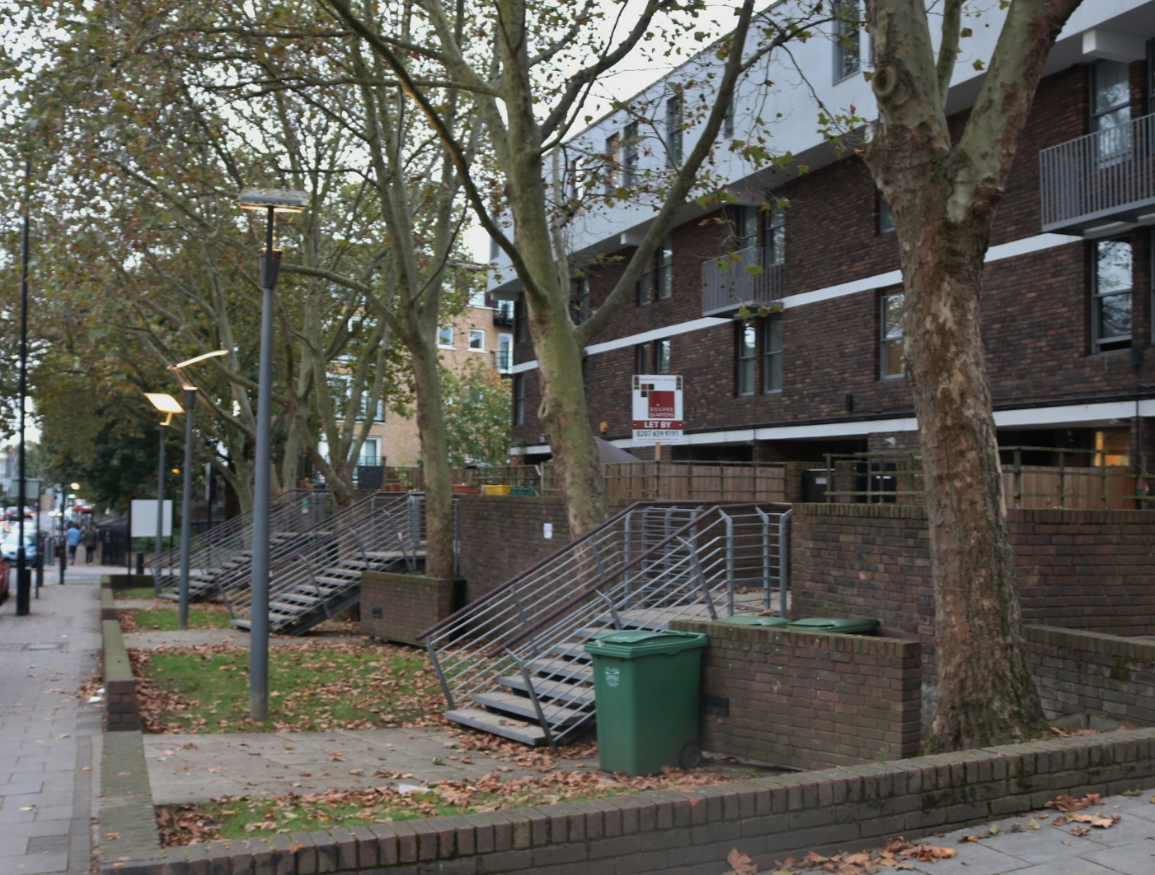
In 2026, repairs culture is moving further up the social housing agenda. The Chartered Institute of Housing has launched RECAP, a UK-wide project focused on Repairs Culture, Accountability and Participation. The project brings together residents, landlords and contractors to explore how repairs services can become more accountable, transparent and resident-led.
The pressure is clear. The Regulator of Social Housing’s latest quarterly survey shows registered providers are forecasting £10.7bn of repairs and maintenance spend over the next 12 months. The Housing Ombudsman’s latest Annual Complaints Review also found a 43% increase in repairs complaints investigated, with repairs complaints upheld at a rate of 73%.
Repairs can no longer be viewed only as an operational service. They are central to compliance, resident trust, service quality and landlord accountability.
The Resident Experience Starts With Repairs
For many residents, repairs are one of the main ways they experience their landlord’s service. Missed appointments, unclear updates, repeat visits and unresolved issues can all leave residents feeling frustrated.
A strong repairs culture starts with recognising that every repair matters. It means treating repairs as part of the resident experience, not simply as tasks to be logged, assigned and closed.
Residents need to know what is happening and when action will be taken. Housing teams need clear visibility from first report through to completion. Contractors need the right information before they arrive, so they can attend prepared and complete work effectively.
When these elements are missing, frustration builds quickly. When they work well, landlords are better placed to deliver a repairs service that feels responsive, transparent and reliable.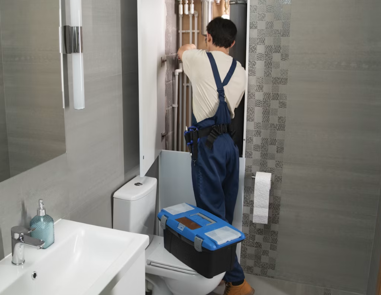
Accountability Depends On Clear Information
Accountability is difficult without good information. Housing providers need accurate records of:
-
Property condition
-
Repair history
-
Contractor updates
-
Resident communication
-
Evidence of completed works
-
Attendance history
This is especially important as regulatory expectations increase.
The Regulator of Social Housing’s Safety and Quality Standard requires registered providers to have an accurate, up-to-date and evidenced understanding of the condition of their homes. It also requires providers to deliver effective and timely repairs.
The same standard is clear on communication. Landlords must set repair timescales and communicate them to tenants.
In practice, this means landlords need to see the full picture. What has been reported? What work has taken place? What remains outstanding? Has the resident been kept informed?
Without this visibility, repairs services can become fragmented. Information may sit across emails, spreadsheets, phone calls, contractor notes and separate systems, leaving teams managing lists rather than actively managing repairs. This makes it harder to track progress and respond quickly to residents. It can also create failure demand through repeat calls, duplicated work and unresolved issues.
Awaab’s Law Has Raised Expectations
Awaab’s Law is now in force for social landlords in England.
Since 27 October 2025, landlords have had to meet fixed timescales for emergency hazards and significant damp and mould hazards. The Government has also confirmed that the scope of Awaab’s Law will expand in 2026 to include further hazards where they present a significant risk of harm.
These include:
-
Excess cold
-
Excess heat
-
Fire hazards
-
Electrical hazards
-
Structural collapse
The new Decent Homes Standard policy statement, published in January 2026, also signals a stronger focus on prevention. Although the new standard is due to apply from 2035, it introduces a clear expectation that rented homes should be free from damp and mould.
For housing providers, the message is clear. Repairs services need to be transparent, evidence-led and resident-focused.
Resident Insight Should Shape Repairs Services
One of the key messages behind CIH’s RECAP project is that residents should not simply be recipients of a repairs service. They should have a meaningful role in scrutinising and improving it.
Resident feedback can highlight issues that performance data alone may not show. Is it easy to report a repair? Are updates clear? Are appointment times convenient? Was the issue fully resolved first time?
These details matter because they shape the resident’s experience of the service.
The value of resident insight is not just in collecting feedback. The real value comes from acting on it.
Housing providers should look for patterns across repairs, complaints, repeat visits and damp and mould reports. They should also consider vulnerable resident needs and contractor performance.
This helps teams understand where the service is working well and where residents may be experiencing avoidable frustration or risk.
Repairs Culture Is Also a Contractor Issue
A better repairs culture depends on everyone involved in the repair journey.
That includes landlords, housing teams, contact centre staff, repairs operatives, specialist contractors and supply chain partners.
Contractors need clear job information before they attend. They also need access details, repair history, photos, supporting notes and any relevant information about resident vulnerabilities.
Without this, first-time fix rates can suffer, creating failure demand through repeat visits, follow-up calls and additional appointments. For residents, this means longer delays and greater frustration.
Strong contractor visibility also supports better landlord oversight. Housing providers need to know whether jobs are being attended on time and whether work is being completed properly. They also need to understand when follow-on works are required and when recurring issues are starting to emerge.
A positive repairs culture is not just about responding quickly. It is about diagnosing issues properly, communicating clearly and completing work to the right standard.
What Housing Providers Can Focus On
Improving repairs culture does not always require a complete overhaul. Often, meaningful improvement starts with practical changes to how repairs are reported and managed.
Housing providers may want to consider:
-
How easy it is for residents to report repairs and share supporting information
-
Whether residents receive clear updates throughout the repair journey
-
How repair history, property data and contractor notes are recorded
-
Whether teams can identify repeat repairs or recurring issues
-
How damp, mould and other hazards are triaged and escalated
-
How contractor performance is monitored
-
Whether resident vulnerabilities are clearly recorded and acted on
-
How resident feedback is used to improve the service
-
Whether boards and senior teams have a clear view of repairs performance
These areas all support a stronger culture of accountability. They also help landlords move from reactive repairs management towards a more proactive, preventative and resident-focused approach.
The Role Of Connected Repairs Management
Technology alone will not create a better repairs culture. However, bringing resident communication, repair records, contractor updates and performance data into one connected system can make it easier for teams to deliver a consistent and responsive service. Clear workflows also help ensure that everyone understands what needs to happen next.
Connected repairs management helps landlords see the full journey of a repair. It shows what has been reported, what information has been provided and who is responsible for the next step. It also helps teams track what action has been taken and whether the resident has been kept informed.
This can support contractors too. Better job information before arrival can improve diagnosis, reduce repeat visits and support a better resident experience.
At EVO, we support housing providers by bringing repairs delivery, resident communication, contractor coordination and digital workflows into one connected service. This helps landlords improve visibility, strengthen accountability and deliver a repairs experience that is easier to manage and easier for residents to trust.
A stronger repairs culture is built through better communication, better information and more consistent delivery. With the right systems and processes in place, housing providers can create repairs services that are not only more efficient, but more trusted by the residents they serve.