Drought can quickly become a housing management challenge, placing added pressure on buildings, repairs services and residents.
This is particularly relevant in 2026. As of 10 August, 71.3% of England was officially in drought following exceptionally dry conditions, with water resources under increasing pressure across the country.
For social landlords, understanding how prolonged periods of hot, dry weather can affect homes is increasingly important. Identifying emerging risks early and ensuring residents know what to look out for and where to seek support can help prevent smaller issues from becoming more serious.
How drought can affect social housing
The impact of drought on homes will vary depending on location, building type, ground conditions and the severity of the dry weather. However, there are several areas that housing associations, local authorities and other social landlords should be aware of.

Subsidence and structural movement
One of the most significant property risks associated with prolonged dry weather is ground movement.
Clay-rich soils absorb water when wet and shrink as they dry. During sustained periods of hot, dry weather, this shrink-swell movement can affect building foundations, pipes and services and contribute to subsidence.
The British Geological Survey identifies dry weather and high temperatures as major factors in shrink-swell subsidence. Its latest research also highlights London and parts of the South East as some of the areas particularly susceptible to this type of ground movement.
For landlords, this means responding seriously to reports of new or worsening cracks, sticking doors and windows, or other unusual signs of movement.
Not every crack is evidence of subsidence. But good property histories and repairs records can help teams understand whether a problem is new, recurring or part of a wider pattern.
This is also where repairs data becomes particularly valuable. Looking across a portfolio rather than treating every repair in isolation can help landlords identify increases or clusters of similar reports and investigate them earlier.
Water leaks need faster attention
Leaks are always a repairs issue, but when water resources are under pressure, avoiding unnecessary water loss becomes even more important.
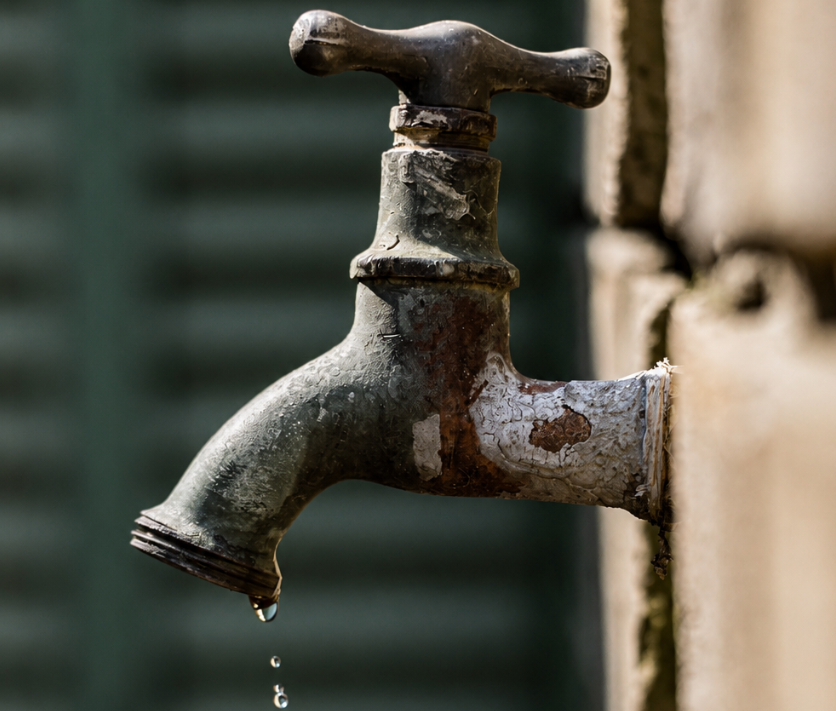
A dripping tap can appear relatively minor compared with an urgent repair. But leaking toilets, pipework and communal water systems can waste significant amounts of water over time.
Reducing leakage is one of the priorities within the current national drought response, alongside wider measures to protect water supplies and reduce demand.
For social landlords, the practical response is straightforward. Residents need an easy way to report leaks, and repairs teams need the visibility and resources to resolve them promptly.
Water efficiency should not be placed entirely on residents. Encouraging responsible water use is important, but well-maintained homes and responsive social housing repairs services have a role to play too.
Drought and overheating in social housing
Drought and extreme heat are separate issues, but prolonged dry periods can often coincide with sustained periods of high temperatures.
For residents, that can place additional pressure on homes that are already difficult to keep cool.
Flats with high solar gain, limited shading, inadequate ventilation or a tendency to retain heat can become particularly uncomfortable during prolonged periods of hot weather.
This is increasingly important for social landlords. From 30 November 2026, Phase 2 of Awaab's Law will extend its significant hazard requirements to include excess heat, alongside hazards including excess cold, structural collapse, fire and explosions, electrical hazards and falls.
It reinforces a wider point. Changing environmental conditions increasingly need to be considered as part of housing maintenance, repairs management and longer-term asset planning.
Landlords need to understand which homes may be more vulnerable to overheating and what action could be required where conditions present a risk.
The wider impact on estates and communal spaces

Drought can also affect the areas around social housing properties.
Grass, planting and trees can become stressed during prolonged dry weather, while water restrictions may affect how communal gardens and landscaped areas are maintained.
Dry vegetation can also create additional fire risk, particularly during periods of extreme heat.
For landlords managing larger estates, this means drought planning should extend beyond individual homes. Grounds maintenance, contractor activities, communal water use and local water restrictions may all need to be considered as conditions change.
What drought means for residents
For residents, the impact of drought is not only about the physical condition of their home.
A new crack in a wall can leave residents questioning whether their home is safe, while a persistent leak may be particularly frustrating when water supplies are under pressure. Prolonged heat can also make it more difficult for some residents to keep their homes comfortable.
For households, this uncertainty can add another layer of stress which makes clear resident communication particularly important.
Landlords should explain what local restrictions mean, what residents should continue to use water for, which property issues they should report and where additional support is available.
Residents who may need extra assistance with their water services can also be directed towards their water company's Priority Services Register. These services are designed to provide additional support to customers who may need extra help with their water and sewerage services.
Good communication can provide reassurance as well as practical information. Residents should understand not only what they need to do, but what their landlord is doing too.
What social landlords can do during a drought

There is no single drought response that will apply to every housing provider. The risks will differ significantly between portfolios and regions.
However, there are several practical areas landlords can consider.
-
Understand property risk. Existing asset and repairs information can help identify homes with previous structural movement, recurring leaks, drainage problems or overheating concerns.
-
Look for emerging patterns. An increase in similar repairs across an estate or geographic area may indicate a wider problem that deserves further investigation.
-
Respond quickly to water loss. Residents should be able to report leaks easily, with repairs teams and contractors able to identify and prioritise genuine water-loss issues.
-
Review contractor readiness. Structural, plumbing, drainage and other specialist expertise may be needed if drought-related property issues emerge.
-
Understand local restrictions. Drought status and Temporary Use Bans vary between water company areas. Housing teams should understand what applies to the communities and properties they manage.
-
Keep residents informed. Clear communication should explain what is happening, what residents need to do, what they should report and where they can access additional support.
Building greater resilience into social housing repairs
The current drought is another reminder that housing providers are managing homes through increasingly varied and challenging conditions.
The priority is not to assume that every period of dry weather will result in serious property issues. The priority is to have the visibility needed to recognise when something is changing.
Good property data, complete repairs histories and clear communication can help landlords identify emerging risks earlier, prioritise the right work and give residents greater confidence in how concerns will be handled.
For residents, that responsiveness matters.
A crack appearing in a wall, a leak that continues during a water shortage or a home that becomes uncomfortably hot can all create uncertainty about whether their home is safe and whether somebody is listening to them.
Responding quickly and communicating clearly can make a significant difference.
At EVO, we believe technology works best when it helps people respond more effectively. By bringing repairs information, property histories, contractor activity and performance data together in one place, landlords can gain a clearer picture of what is happening across their homes and act before individual issues become wider problems.
Combined with responsive repairs services and clear resident communication, that visibility can help social landlords build greater resilience into the way homes are managed. Not just during periods of drought, but as housing continues to adapt to changing environmental pressures.